

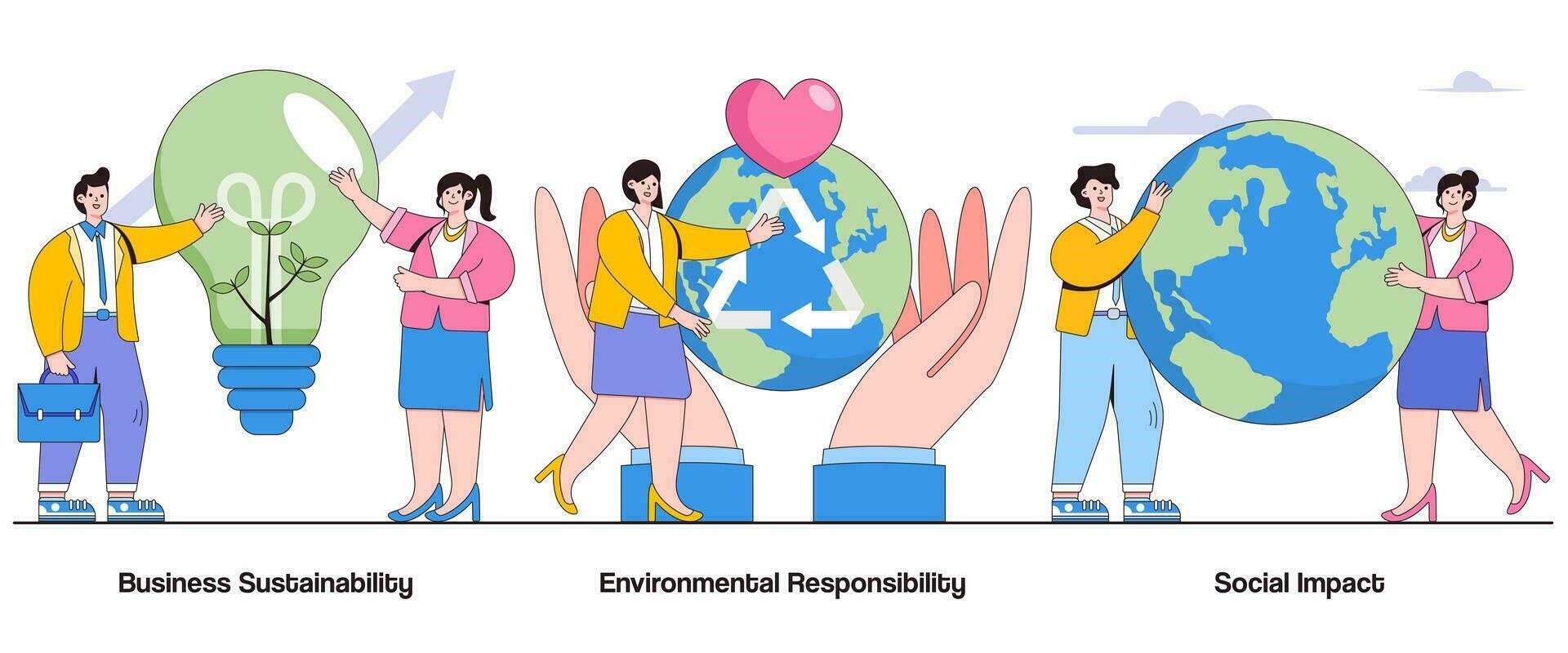
Environmental sustainability is no longer a distant concept that is only discussed in policies. It is now a collective duty, beginning with education and awareness. Educational institutions, which shape attitudes and perspectives, are critical in navigating society towards sustainable living.
Environmental sustainability is basically concerned with the preservation of natural resources and the reduction of human activity's environmental impact. This translates into initiatives that increase awareness of environmental preservation as well as activities that promote the correct use of resources, energy, and water in educational settings.
Waste collection, recycling programs, tree planting events, and awareness campaigns are just a few of the ways that many universities incorporate sustainability into their campus initiatives. These initiatives serve two purposes: they reduce their negative effects on the environment and provide students with practical experience using sustainable methods.

For today's scholars, it is essential to comprehend environmental challenges including pollution, biodiversity loss, and climate change. Through education, children are able to comprehend the causes and consequences of these circumstances, enabling them to actively participate in finding solutions as opposed to being passive observers.
Ethical thinking is also fostered via environmental education. Followers start to comprehend the long-term effects of both individual and group behaviour. This knowledge promotes sustainable decisions throughout adulthood as well as in the classroom.
Students participate in programs that promote environmental responsibility and awareness at institutions like Poddar International College. Engaging in sustainability projects fosters in students a sense of responsibility for the environment and society.

Beyond its positive effects on the environment, sustainability education develops transferable skills. Students develop their social awareness, teamwork, and problem-solving skills—qualities that are appreciated in a variety of fields and occupations.
Responsible and knowledgeable inhabitants are necessary for a sustainable world. Institutions that incorporate environmental sustainability into their curricula not only help to preserve the environment but also foster the growth of responsible, moral, and future-ready people.